Tips for Hiring House Renovation Services
Finding the Ideal Remodeling Contractor: Critical Questions You Should Ask
Identifying the ideal renovation contractor is essential for the outcome of any home remodeling project. A large number of homeowners fail to recognize the significance of asking the appropriate questions. Cost is not the only factor; experience, communication, and reliability play important roles. Recognizing these elements can help guarantee a seamless process. Still, knowing which questions to ask can be overwhelming. Which aspects should be focused on when vetting potential contractors? The following are essential points to support the selection process.
Why Selecting the Right Remodeling Contractor Is Important
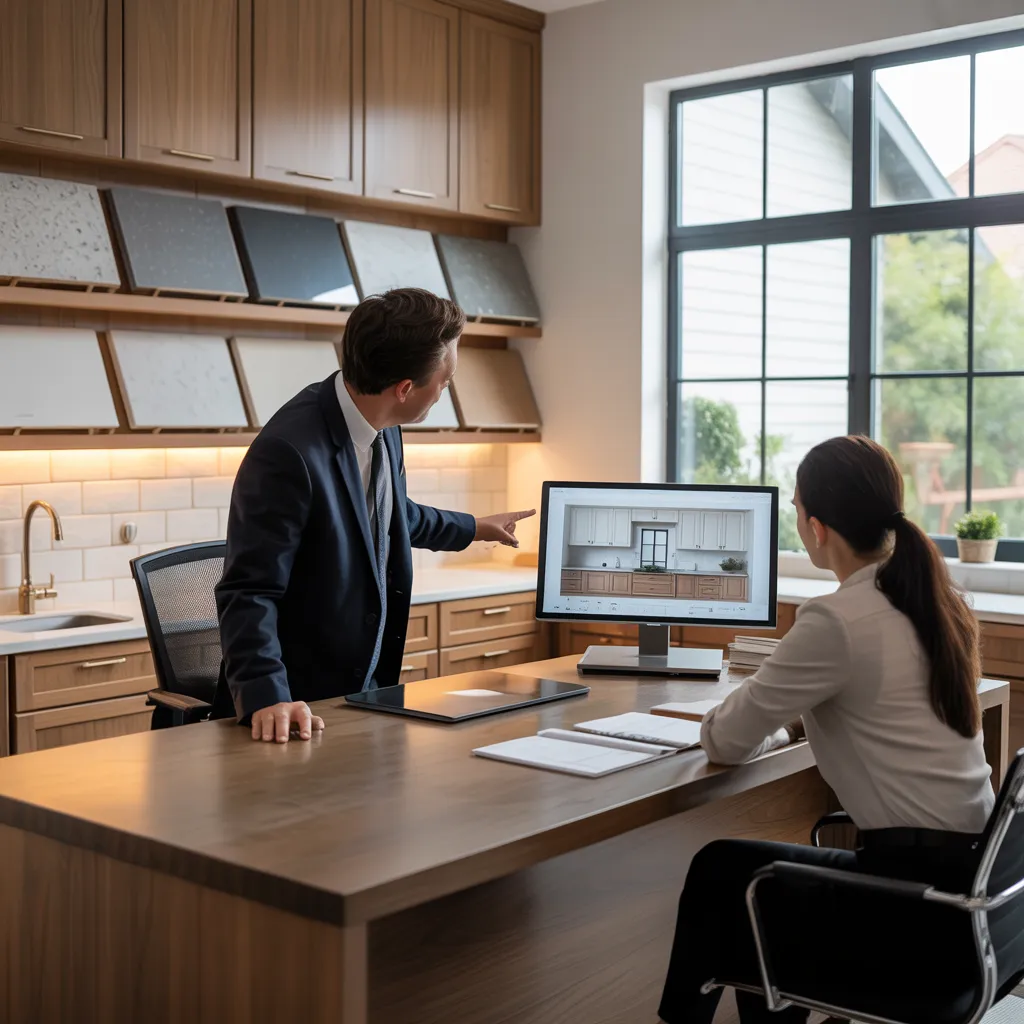
Selecting the right remodeling professional is crucial, as the outcome of a renovation can significantly impact both the function and appearance of a property. A qualified contractor assures that projects are executed efficiently, respecting timelines and budgets. Their expertise can elevate the overall standard of workmanship, resulting in a living area that meets the homeowner's goals and desires.
Furthermore, a experienced contractor promotes efficient communication, handling concerns and delivering updates throughout the construction process. This transparency builds trust and allows for adjustments as necessary. In addition, choosing the appropriate contractor reduces the likelihood of potential problems, such as design flaws or structural problems, which can arise from inexperienced workmanship. When all is said and done, the choice of contractor can shape not only the initial contentment with the project but also the long-term value and enjoyment of the home, emphasizing the necessity of a thoughtful selection.
What Qualifications Should Your Remodeling Contractor Possess?
A highly qualified remodeling contractor should have a number of credentials that showcase their skill and dependability. Essential credentials include state licenses, which confirm compliance with local regulations and building codes. In addition, industry certifications from organizations such as the National Association of the Remodeling Industry (NARI) or the National Kitchen & Bath Association (NKBA) demonstrate focused expertise and dedication to professional guidelines.
Proper insurance, especially liability insurance and workers' compensation coverage, is of utmost importance, protecting both the contractor and the homeowner from unforeseen financial burdens. Additionally, a strong portfolio showcasing previous projects can provide insight into the contractor's skill and aesthetic sensibility.
Enrollment in industry associations signifies a commitment to the industry and ongoing education. Additionally, consumer assurance credentials, such as a BBB accreditation, can offer an added degree of confidence regarding the professional's credibility and business practices. These credentials collectively guarantee that homeowners engage a qualified and reliable specialist.
How to Verify Contractor References and Reviews
When choosing a renovation contractor, checking references and reviews is crucial for guaranteeing quality results. Prospective clients should explore online platforms for feedback and ratings, as well as reach out directly to past clients to gain firsthand insights. This approach can significantly guide decisions and reveal potential warning signs.
Explore Online Platforms
What steps can potential clients take to verify a remodeling contractor's credibility? A great strategy is to explore multiple online platforms that specialize in contractor reviews. Sites like Yelp, Angie's List, and Houzz supply an abundance of information, including user ratings and comprehensive reviews. Prospective clients should identify trends in reviews, paying attention to both favorable and unfavorable experiences. A contractor boasting steady high ratings and positive commentary is typically a dependable selection. Additionally, social media platforms can provide insights into a contractor's recent projects and client interactions. Participating in online forums or neighborhood groups can generate helpful referrals as well. By utilizing these valuable resources, clients are empowered to make educated choices, guaranteeing a credible and capable remodeling contractor for their undertakings.
Reach Out to Previous Clients
What steps can clients take to guarantee that a remodeling contractor is dependable? A practical method involves reaching out to former clients for direct feedback. Clients should request a list of references and speak directly to previous customers about their experiences. Key questions might include inquiries about the project's timeline, budget adherence, and the contractor's communication style. It's also advisable to ask whether the clients would hire the contractor again. Additionally, clients should look for reviews on third-party platforms to assure a balanced perspective. Through collecting varied opinions, clients are better positioned to evaluate the contractor's dependability and workmanship. This thorough vetting process can markedly reduce the risk of dissatisfaction in remodeling projects.
Understanding the Typical Remodeling Project Timeline
Comprehending the standard timeline of a remodeling project is crucial for homeowners to align their expectations accordingly. This section will outline the different project phases, identify typical obstacles that can develop, and explain the project completion walkthrough. By understanding these key aspects, individuals planning a remodel can confidently handle every stage of their home improvement project.
Summary of Project Phases
A typical remodeling project unfolds in several distinct phases, every one of which plays a vital role in achieving a successful result. The first stage centers on planning and design, where property owners work closely with contractors to outline the scope, budget, and timeline. Once the plans are finalized, the following stage involves securing the required permits and approvals, which are subject to change based on regional requirements.
Subsequently, the building phase commences, defined by demolition, structural work, and placement of new features. This period often requires continuous dialogue between the contractor and the homeowner to handle any modifications or issues. Ultimately, the project comes to completion with a comprehensive review and walkthrough to verify that everything satisfies the agreed-upon standards. Each step fulfills an essential function in the general outcome of the renovation project.
Frequent Timeline Delays
Timely completion of a remodeling project can be significantly affected by numerous setbacks, which frequently occur throughout various phases of the work. Typical reasons include issues with permitting, where local regulations may prolong approval times. Material availability also plays a critical role; interruptions in deliveries can halt advancement. Unforeseen structural problems, such as hidden water damage, may necessitate additional time for repairs. Climate factors can additionally interfere with timelines, especially for exterior work. Moreover, shortages in available labor may cause setbacks in hiring experienced contractors. Open correspondence between the remodeler and the client is fundamental, since miscommunications about the extent of work can further lengthen project durations. Recognizing these likely obstacles enables homeowners to form practical expectations for their remodeling endeavors.
Complete Walkthrough Procedure
How does the final walkthrough signify the culmination of a remodeling project? This essential step allows homeowners to inspect the completed work, ensuring it meets their expectations and aligns with the initial plans. During the walkthrough, the contractor and homeowner review every detail, from finishes to functionality. This is the opportunity to identify any discrepancies or issues that need addressing before final payment. Homeowners ought to bring a thorough checklist along with any pertinent documentation associated with the project. A productive final walkthrough not only validates satisfaction but also strengthens the bond between the contractor and homeowner. Effective communication and honesty throughout this phase can eliminate misunderstandings, creating opportunities for future collaborations or endorsements.
Understanding Your Budgeting and Payment Options
Smart budgeting is vital for anyone starting on a renovation project, as it sets the foundation for financial planning and decision-making. Homeowners should begin by determining a realistic budget that covers all possible expenses, including labor, materials, and unforeseen costs. It is advisable to allocate an additional 10 to 20 percent for contingencies to address unexpected problems that might occur during the renovation.
When reviewing payment terms with service providers, homeowners should inquire about payment timelines, which can vary considerably. Some contractors may request a deposit upfront, with the remainder due at key project stages or upon completion. Understanding these terms enables property owners to plan their budget effectively.
Moreover, homeowners can explore financing options, including home equity financing or personal loan options, to help manage the financial burden. Clear communication about financial planning and payment arrangements with the contractor of choice ensures that financial goals and expectations match, lowering the risk of financial disputes further along in the project.
How Do They Keep You Updated?
Transparent discussion of budgeting and payment choices establishes the foundation for continuous updates during the remodeling process. A reputable contractor should establish a structured method for keeping clients informed. This may involve scheduled meetings to review progress, whether in person or through video calls. Written summaries may also be delivered, detailing work completed and upcoming tasks.
Moreover, utilizing digital tools is becoming increasingly common. Professionals often adopt specialized project management platforms that lets clients oversee project timelines and key milestones as they happen. This level of visibility cultivates trust and guarantees that clients are kept involved from start to finish.
Furthermore, timely notifications about changes of any kind—whether involving timelines, materials, or unexpected issues—are vital. By addressing these elements, a renovation contractor shows their commitment to excellent service and homeowner satisfaction, assuring an informed and collaborative remodeling experience.
What Warranties and Guarantees Are Available to You?
What types of warranties and guarantees can homeowners expect when working with a remodeling contractor? Generally, contractors provide two main types: labor warranties and material warranties. Labor warranties address the quality of the contractor's work, often lasting from one to ten years, depending on the company and project scope. These warranties assure homeowners that any defects resulting from poor installation will be addressed without additional costs.
Product warranties, by comparison, pertain to the materials used in the renovation. Manufacturers commonly offer these guarantees, covering periods ranging from several years to a full lifetime, according to the specific product category. It is advisable for homeowners to ask about the precise conditions of each warranty, including what is covered, the length of coverage, and any conditions that might void them. Being informed about these warranties can help homeowners make informed decisions and safeguard their financial commitment to the renovation.
Answers to Your Most Common Questions
What Is the Contractor's Preferred Communication Style During the Project?
The contractor favored frequent email correspondence, complemented with weekly phone calls to address detailed matters. They stressed transparency, ensuring all parties involved remained well-informed and engaged across the full scope of the remodeling project, promoting a spirit of collaboration.
How Do They Manage Unexpected Challenges or Changes?
They generally evaluate the circumstances, communicate with the homeowner, and propose solutions. Skilled contractors demonstrate adaptability, ensuring that adjustments align with project goals while reducing interruptions, thus cultivating a cooperative atmosphere during unexpected challenges.
Are You Able to Provide a Detailed Written Quote?
A comprehensive written estimate should outline all relevant project costs, including materials, labor, and timelines. Such transparency enables clients to comprehend costs and avoids misunderstandings, guaranteeing both parties are in agreement before the renovation project commences.
What Safety Practices Do They Enforce On-Site?
The contractor enforces various safety measures on-site, including personal protective equipment for workers, safety signs, routine equipment inspections, and conformance to local regulations, creating a safe environment that minimizes risks for workers and homeowners alike.
How Do They copyright Local Building Code Requirements?
They study secure compliance with local building codes by keeping current with regulatory changes, obtaining necessary permits, and conducting regular inspections throughout the project. This forward-thinking strategy reduces associated risks and ensures compliance with legal and safety requirements.